Name: Traditional Dream Factory, Portugal
Country: Portugal
Founded: 2021
Form:*Regenerative Ecovillage Project, Web3 NFT #Blockchain based
Date of Visit: 06.2024
Size: Currently 5 ha of land with an option to purchase an additional 25 ha
Members: 2-3 founders and a c.a. 70 non-resident community members
During my stay, I met the founder Sam, 2-3 long-term residents who have been on-site for a few months or visit occasionally, and mainly visitors and members of TDF from all over the world (USA, Canada, Australia, Kosovo, France, Portugal, Brazil, Dominican Republic, Germany, Denmark, and more).
There was a very relaxed, loving, open, tolerant, playful, and experimental atmosphere at TDF.
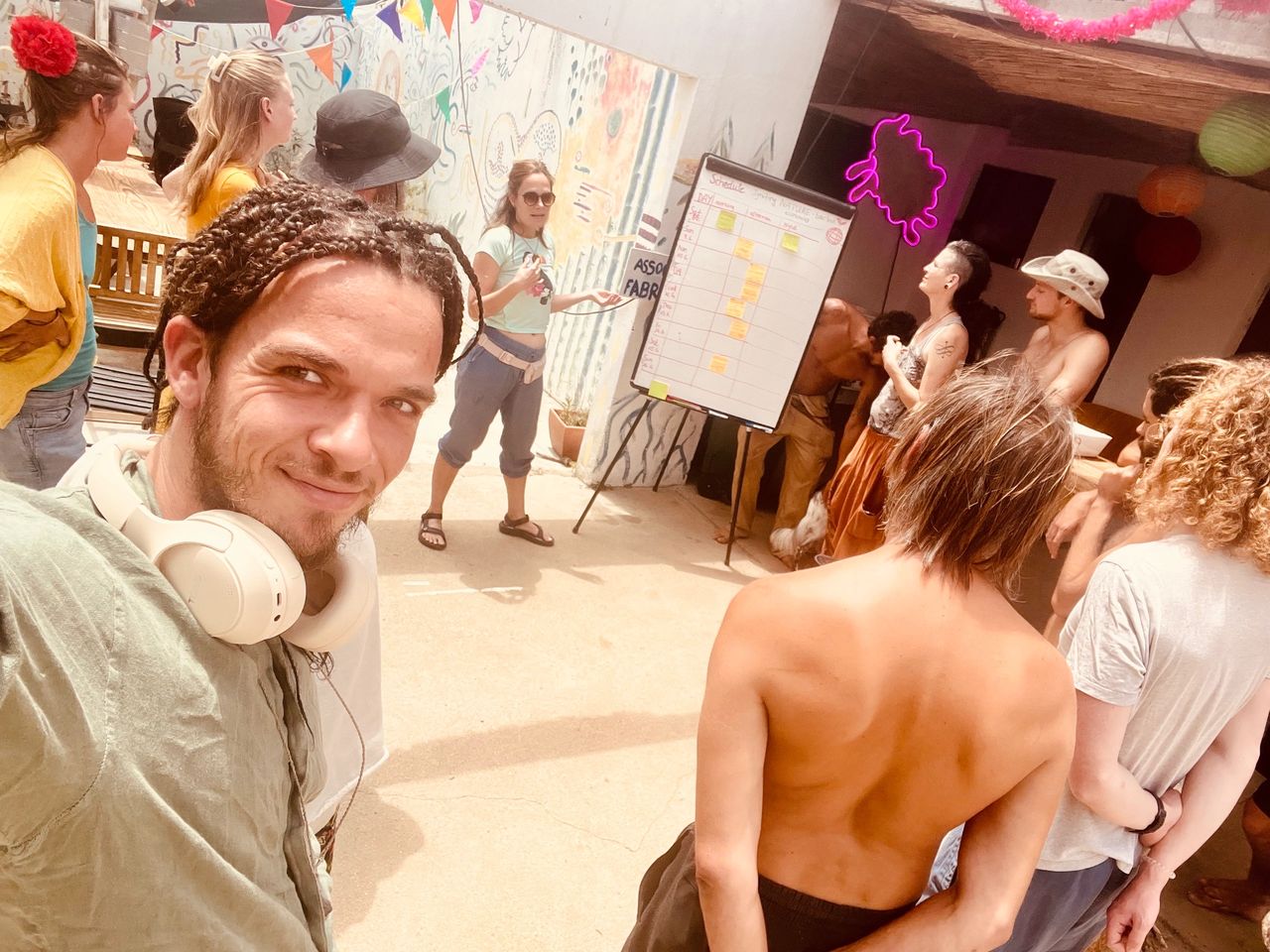 Co-Creation is a top priority at TDF. Here, offers for collective foot massages for the upcoming week are listed, with everyone contributing what they can.
From what I understand, there was no clear intention at the start of the project to have permanent residences on-site, but this has since changed, and the desire is for a core group to be permanently present.
The Traditional Dream Factory is a project founded by Sam and, according to him, two to three additional partners. It pursues a variety of visions, depending on the layer. It is a very special project as it is an ecovillage or a regenerative reforestation program of the latest generation. It primarily utilizes Web 3.0, particularly blockchain technology and NFTs, to finance and manage the project.
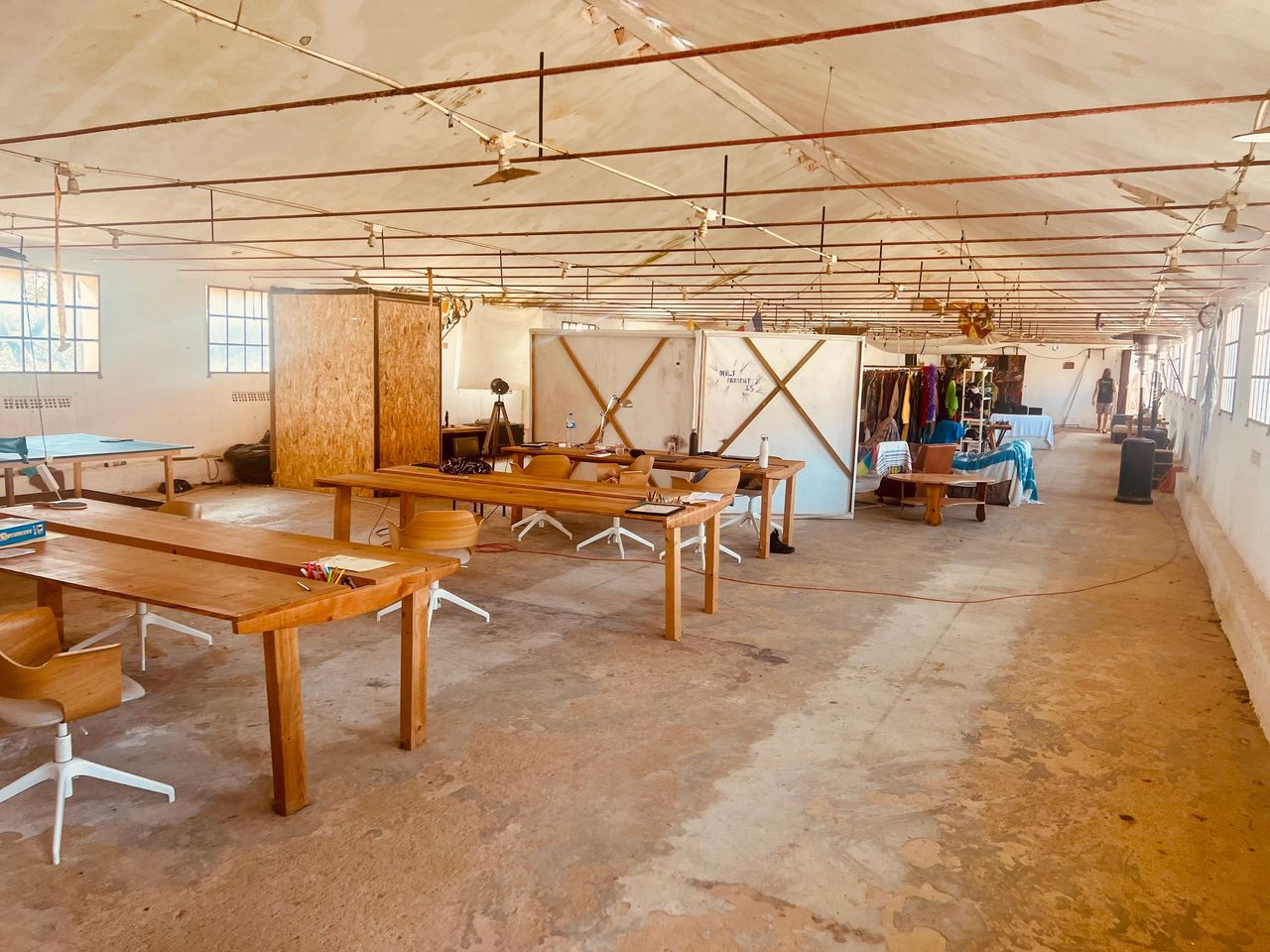 Co-working Area in the TDF
During my week-long stay, I had to actively learn for 5-6 hours a day just to grasp the project even vaguely. Despite not being a tech expert, having previously been an entrepreneur of a software company, I had a solid understanding of technology.
Thus, I had to learn entirely new vocabulary and terms to understand what TDF actually is. Sam holds a "What the Fuck is TDF" workshop once a week, which reassured me that I wasn't the only one finding the project challenging to understand. One of the first words I had to learn was DAO, a decentralized autonomous organization, which owns the land—but I'll get back to that later.
I was astonished when Sam explained during a tour that he measures the forest he planted two years ago on 12,000 m² using an Open Forest Protocol. This allows him to receive carbon credits for all the biomass generated, which TDF will be able to sell to companies in the future that wish to reduce their CO₂ footprint. Thus, TDF has found another source of funding for its project.
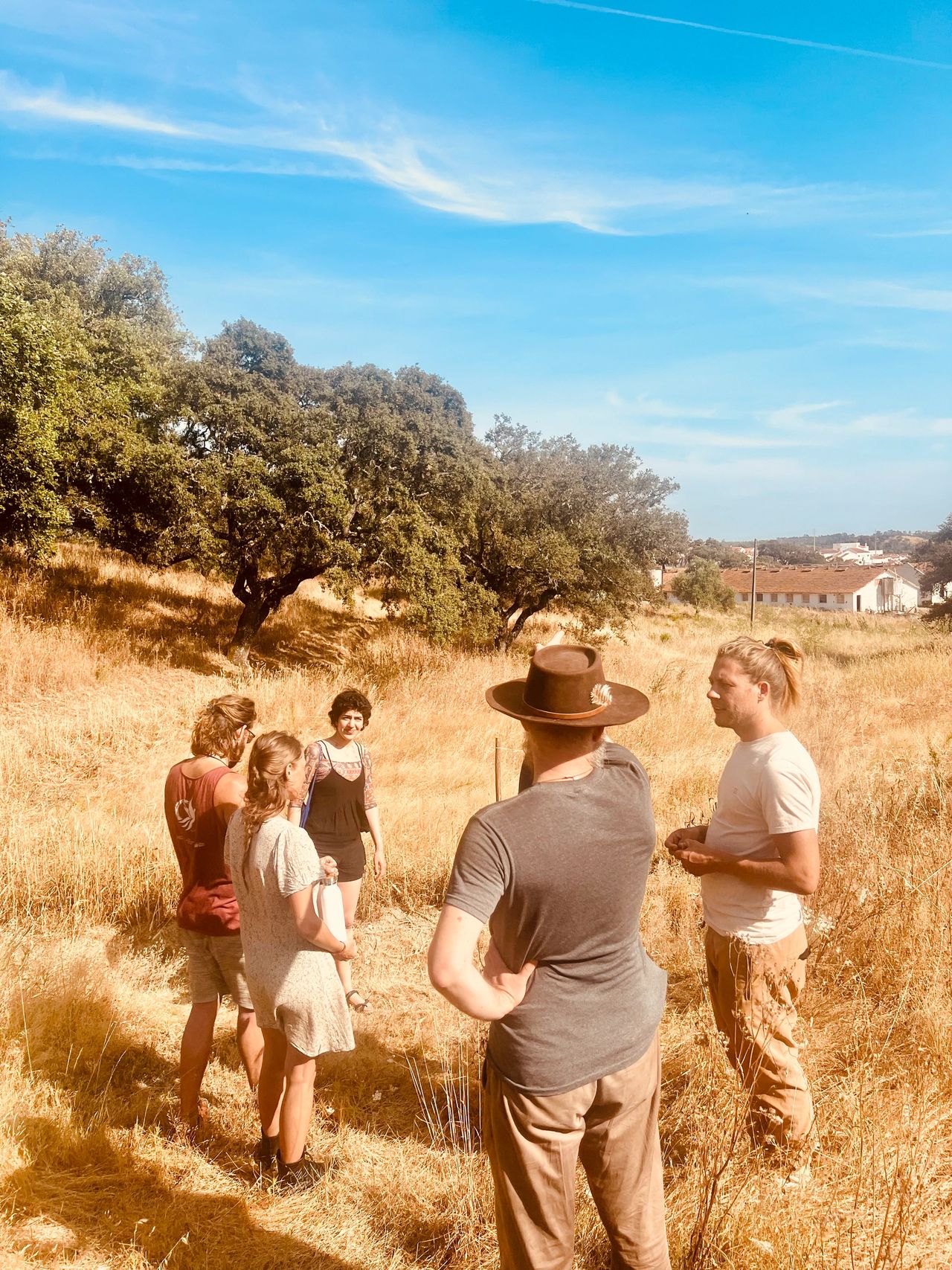 During the tour of the TDF land led by the founder, Sam
NFTs are primarily used to directly finance the project. Tokens can be purchased on the TDF website for around €256, giving the investor a lifelong right to stay on the land for one night per year—forever. This follows TDF’s approach to move from ownership to the management of real estate. This is based on the same understanding as the indigenous peoples in South America, that the land belongs to no one, but rather to the people who live on it as stewards.
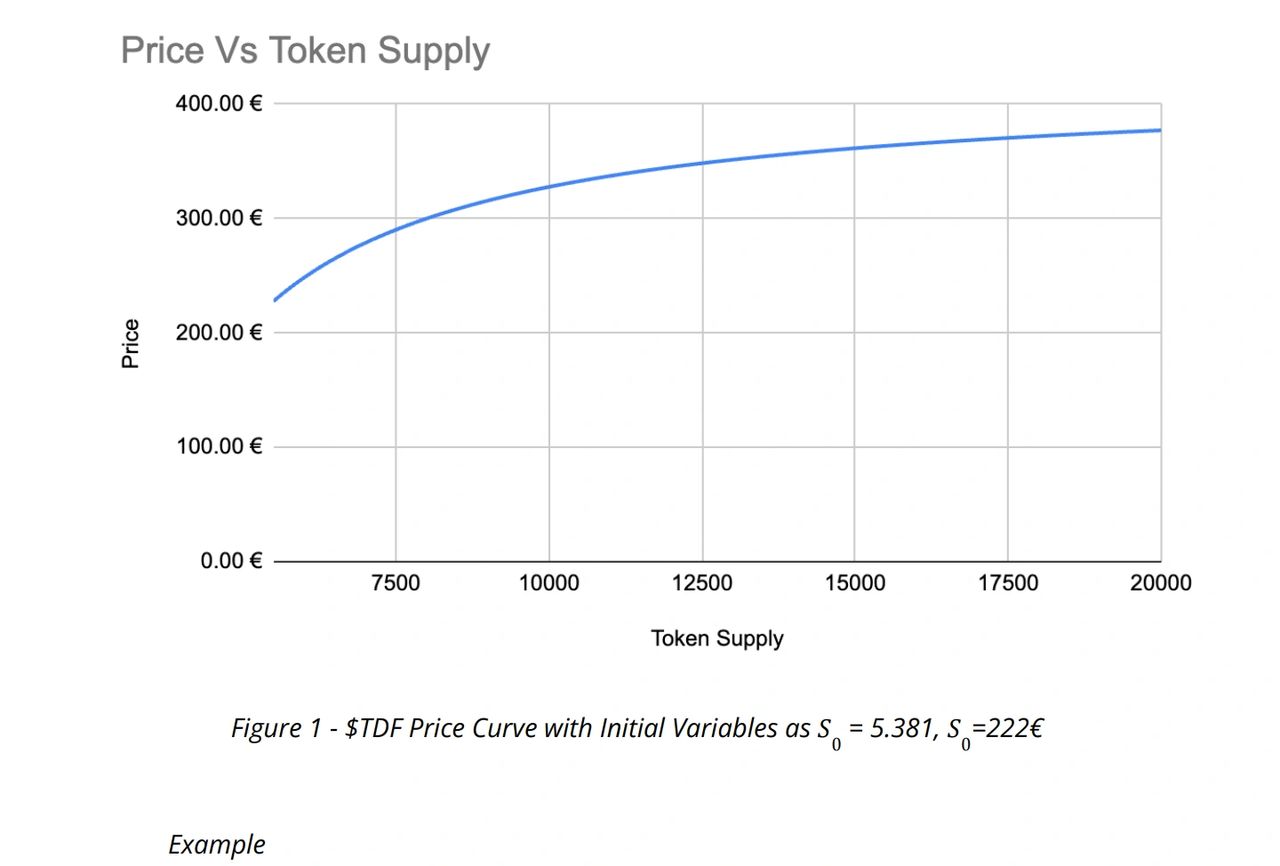 Price Development Diagram of the $TDF from the Whitepaper of the OASA Project
In essence, TDF aims to implement regenerative projects, such as reviving and fertilizing land, in harmony and cooperation with the environment. At the same time, it leverages Web 3.0, blockchain technologies, and particularly NFTs, but paired with a lot of fun and without the claim of wanting to be efficient or effective. It is primarily about having fun with an experimental approach and simply doing things differently and innovatively. It definitely attracts a lot of nerds ;)
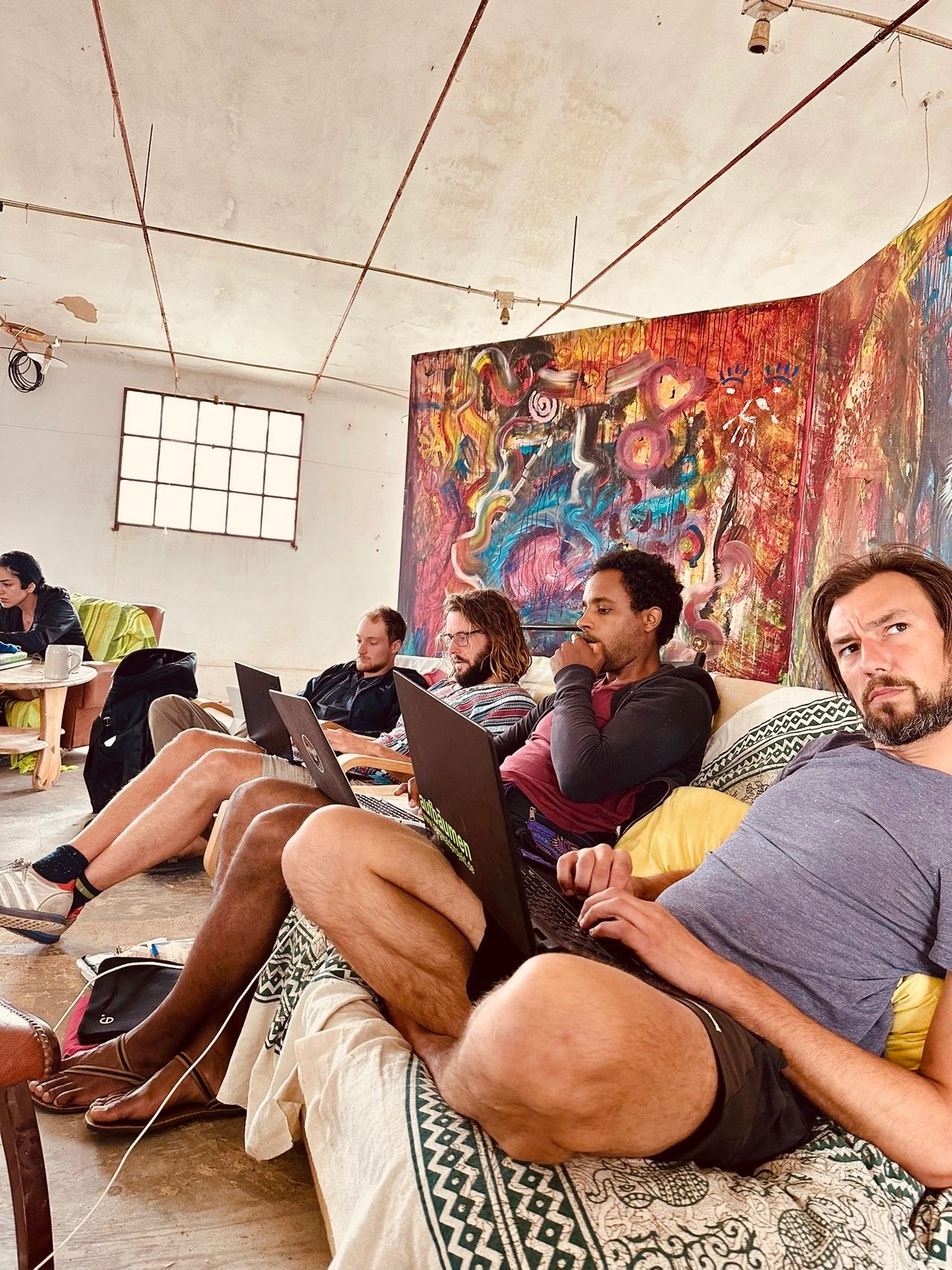 On the last day of my stay, a hackathon started
TDF is a prototype of a larger process called OASA. OASA is the umbrella organization, an NPO based in Switzerland, and a so-called DAO, an internet society that owns the land and permanently assigns it to the TDF project for specific regenerative purposes. With the NFTs, which investors – or as they are called on the NFT website, Dreamers – purchase, further land acquisitions and the construction of infrastructure are to be financed. Investors also secure lifelong usage rights and voting rights.
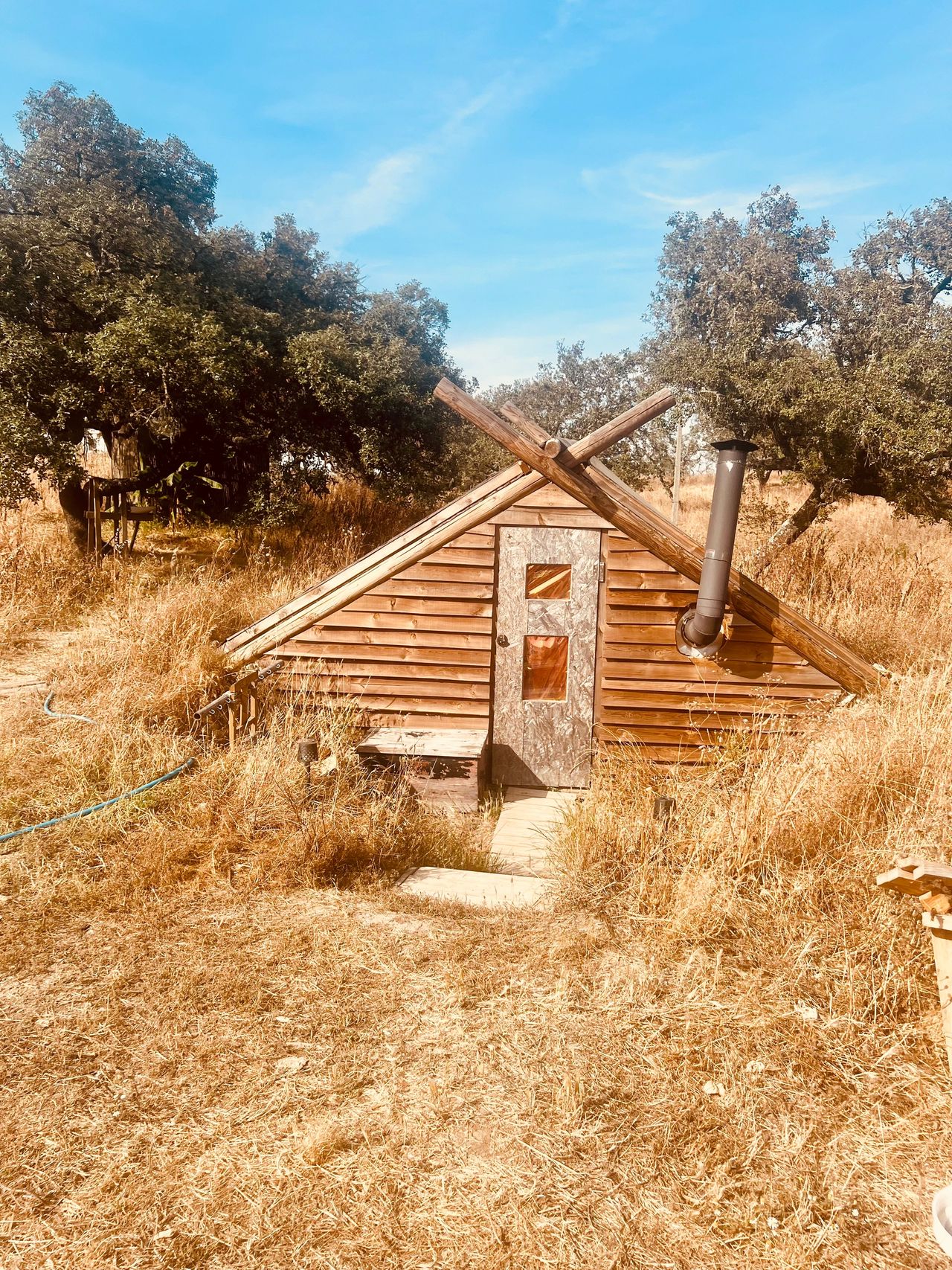 The Self-Built Sauna on the Land of the TDF
According to the OASA Whitepapers and the so-called Pink Papers of TDF, the total number of tokens is currently limited to 18,600, corresponding to the maximum overnight stays per year as of today. If additional accommodation becomes available in the future, the total number of tokens can also be increased. There are also so-called sweat and time tokens, which are paid to members as a salary for actively contributing to the project or being on-site. More details can be found in the Whitepapers.
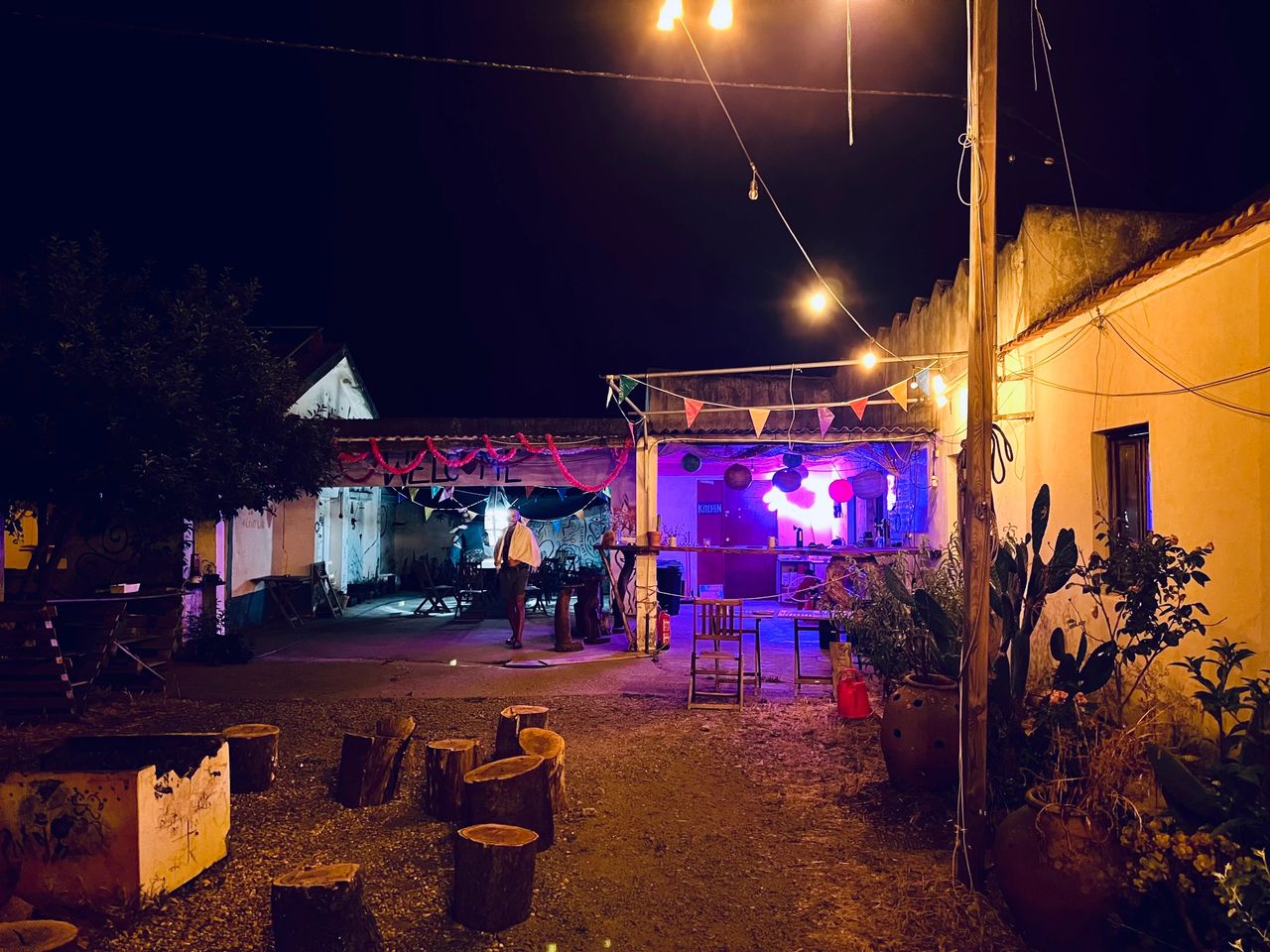 The community area of the NFT by night with the neo-sheep lamp built for a local burner festival (Nowhere)
The vision of OASA is for other projects like TDF to become part of the network worldwide, thus promoting regenerative projects globally, with each project having its own token.
For more details about the entire project, Sam, the founder, explains extensively in this video
For me, it was a very inspiring and refreshing experience. I will definitely visit again! There is still much to learn.
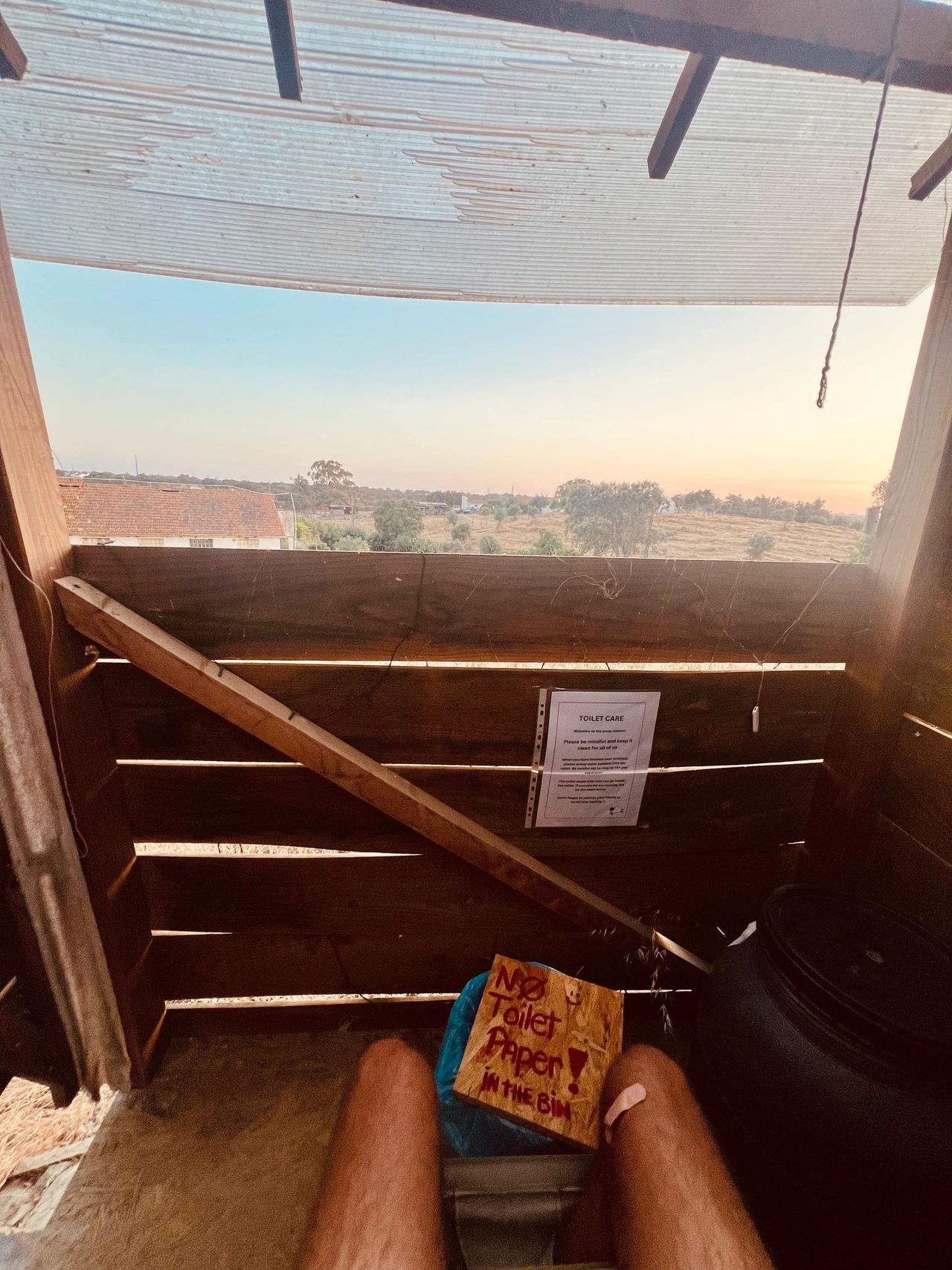 The Inspiring View from the Compost Toilet 💩☺️